The Play for Peace Council 2026: A Model of Collective Leadership
For decades, the default model of international leadership in the nonprofit sector has looked the same: a small group of decision-makers, usually based in one country, setting direction for communities they may never visit. Play for Peace is building something different.
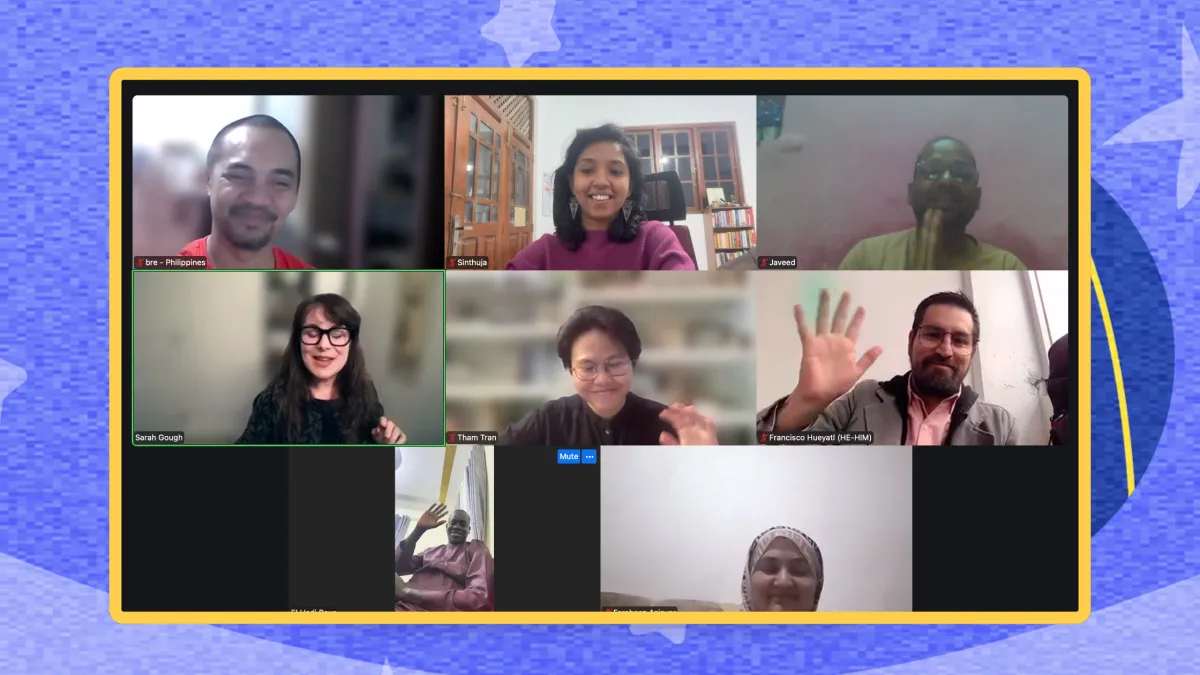
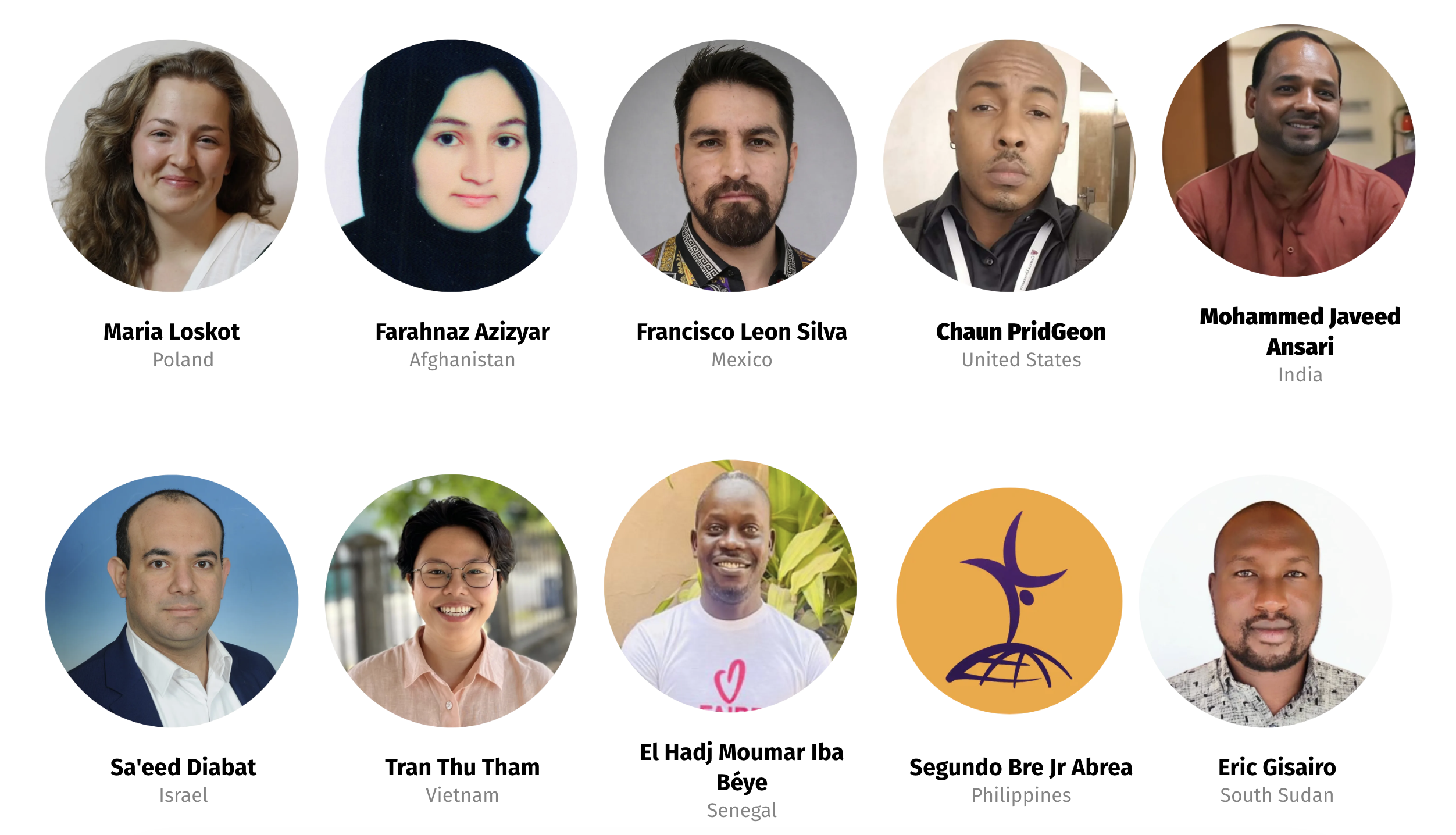
In February 2026, Play for Peace officially launched its Global Council for the second year, a leadership body comprising 10 practitioners from 10 countries. Not advisors on paper. Not honorary titles. These are people doing the daily work of play-based peacebuilding in their own communities, now shaping the organization's direction together.
This isn't a symbolic gesture. It's a structural shift rooted in a simple belief: the people closest to the work should lead it.
Who Sits in the Circle
The council includes leaders from Poland, Afghanistan, Mexico, India, Israel, Senegal, South Sudan, Vietnam, the Philippines, and the United States. They are facilitators, educators, photographers, camp organizers, and community builders. Some work in active conflict zones. Others navigate the quieter tensions of displacement, political polarization, and poverty.
What they share is a commitment to cooperative play as a tool for peace, and years of experience putting that commitment into practice.
Why This Matters Now
The global landscape for peacebuilding work is shifting. Funding is tightening. Political climates are growing more hostile to cross-border collaboration. And within the nonprofit sector itself, there is a long overdue reckoning with how power, voice, and decision-making have historically been concentrated in the Global North.
Play for Peace's Global Council is a direct response to all of this.
Rather than treating field practitioners as implementers of someone else's strategy, the council positions them as co-creators of organizational direction. This is collective leadership in practice: shared authority, distributed expertise, and a deliberate move away from top-down governance.
It also reflects a broader commitment to decolonizing how peacebuilding organizations operate. When a leader in Senegal, a facilitator in Afghanistan, and an organizer in South Sudan have the same seat at the table as someone in Chicago or Vancouver, the organization's priorities start to reflect the full picture of its work, not just the view from headquarters.
How the Council Works
Council members serve terms of up to 18 months, after which they open their seat to a new voice. This rotation is intentional: it keeps the circle inclusive, prevents consolidation of influence, and ensures that leadership reflects the evolving reality of Play for Peace's global community.
The council's first orientation, held on February 27, 2026, set the tone. Members were asked to arrive not with credentials but with three objects: one representing who they are, one for what they do, and one for their Play for Peace story. From the start, this was designed to welcome whole people, not just professional roles.
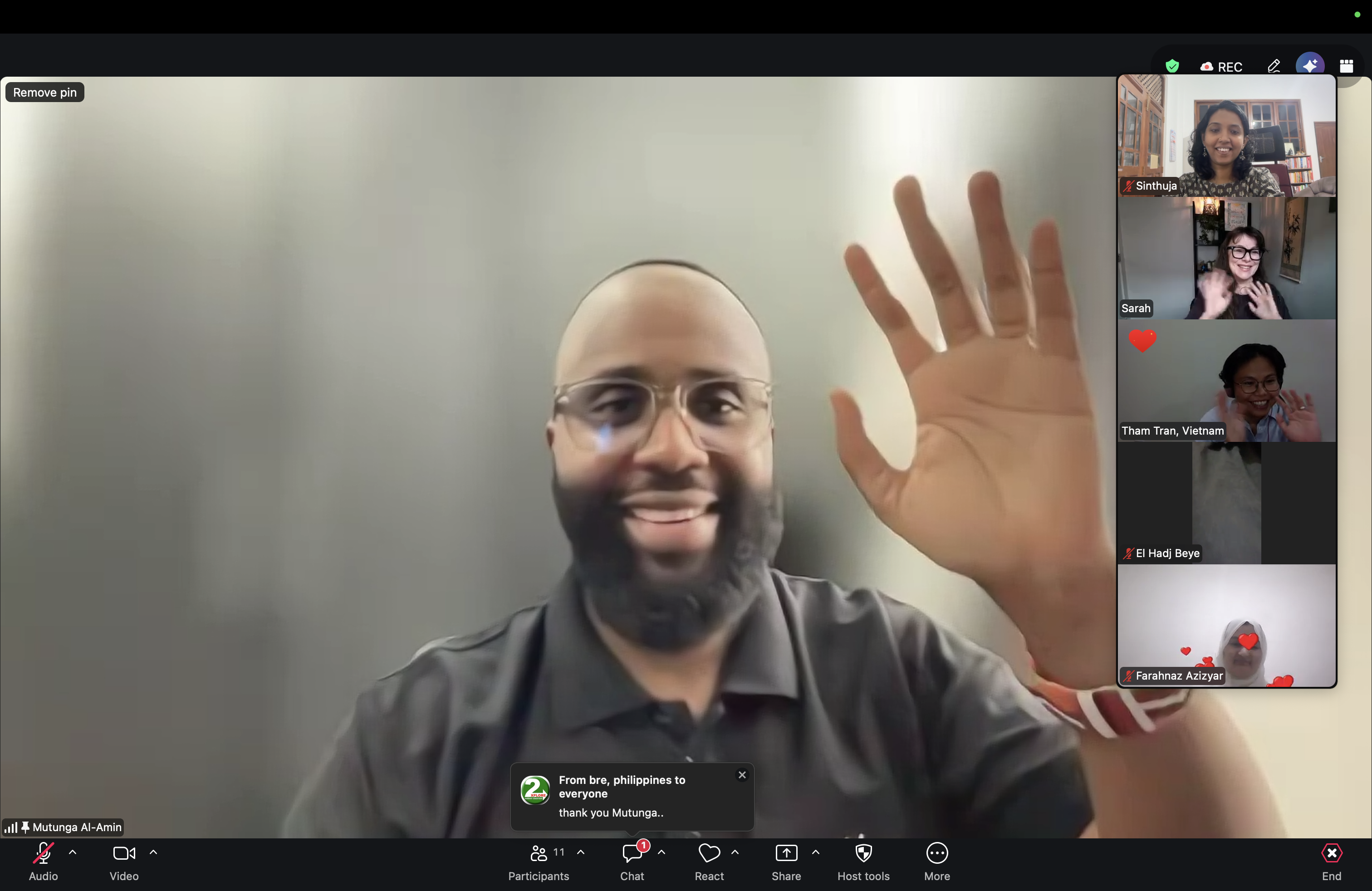
Early council sessions have already taken on substantive work, including a deep conversation on ethical storytelling and consent in partnership with Fairpicture and documentary photographer Mutunga Al-Amin. That session explored the concept of narrative care: the idea that consent is not a one-time signature but a living, ongoing agreement between storyteller and community.
A People First Movement
Play for Peace has always been a people-first organization. Its programs are built on the idea that play creates connection, and connection creates the conditions for peace. The Global Council extends that same logic to leadership itself.
If you believe that communities know what they need, then your leadership structure should reflect that belief. If you believe that trust is built through a relationship, then governance should be relational, not transactional.
Ten leaders. Ten countries. One shared circle of purpose.
The council is not the end of this work. It is the beginning of a leadership model designed to evolve, to stay close to the ground, and to center the people who have always been the heart of this movement.
Walk With Us
The work of building peace across borders takes all of us.
Support Play for Peace · Your contribution helps sustain global peacebuilding leadership, ethical community storytelling, and play-based programs for children in conflict zones across roughly 20 countries.