PLAY for PEACE®
PLAY for PEACE
India
South Asia · Clubs Since 2000

Country Overview
India is the seventh largest country in the world and the second most populated. Thousands of years of history have shaped a nation of extraordinary diversity in language, culture, and religion and today it stands among the fastest growing economies anywhere on earth.
That growth, however, has not reached everyone. Large parts of the population still live with poverty and limited access to education and healthcare. Complicated social structures mean that many people also face discrimination and rejection, and for children this can mean dropping out of school, entering daily wage work far too young, or growing up without a safe space to simply be a child.
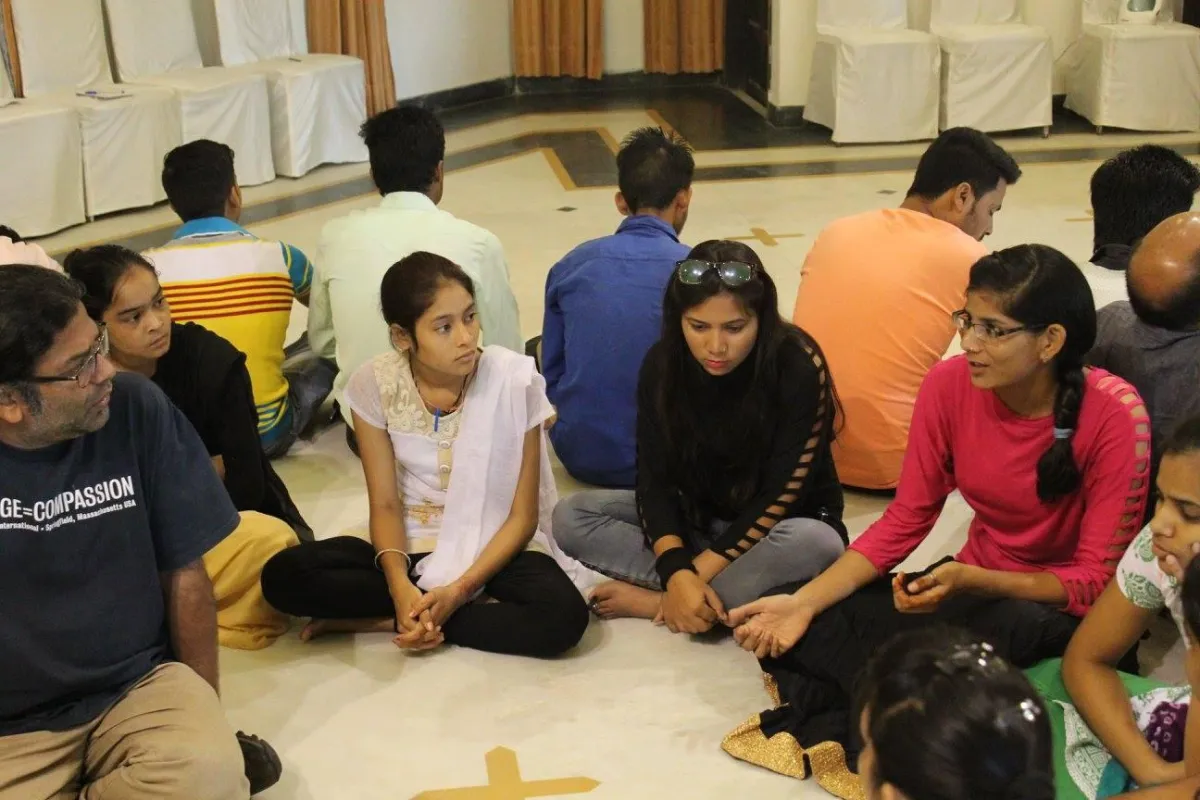
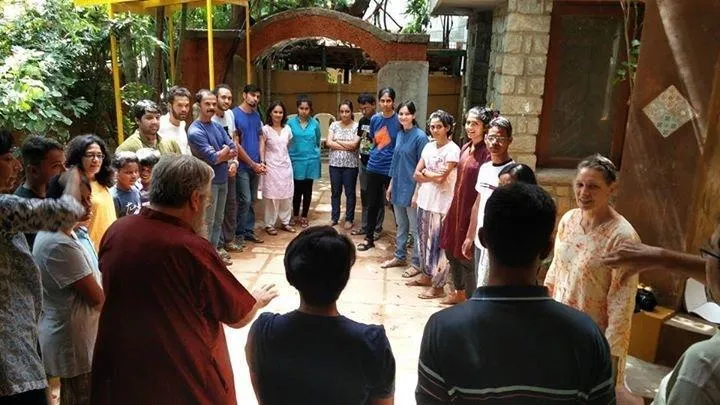
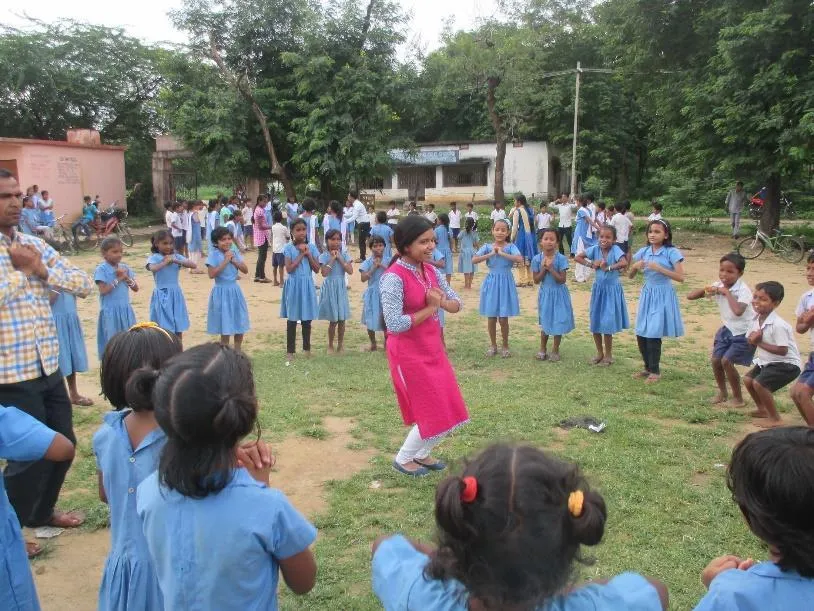
Play for Peace® has been working alongside Indian children and youth since 2000. Over more than two decades, our clubs and partners have carried cooperative play into Delhi classrooms, Kolkata neighbourhoods, Mumbai settlements, Jaipur schools, and villages across Karnataka, addressing equality, inclusion, interfaith harmony, and the empowerment of children and young women. Every club has shaped itself around the community it serves, and every one of them has begun in the same place: a circle, a game, and the discovery that the person beside you is not so different after all.
Play for Peace Origins
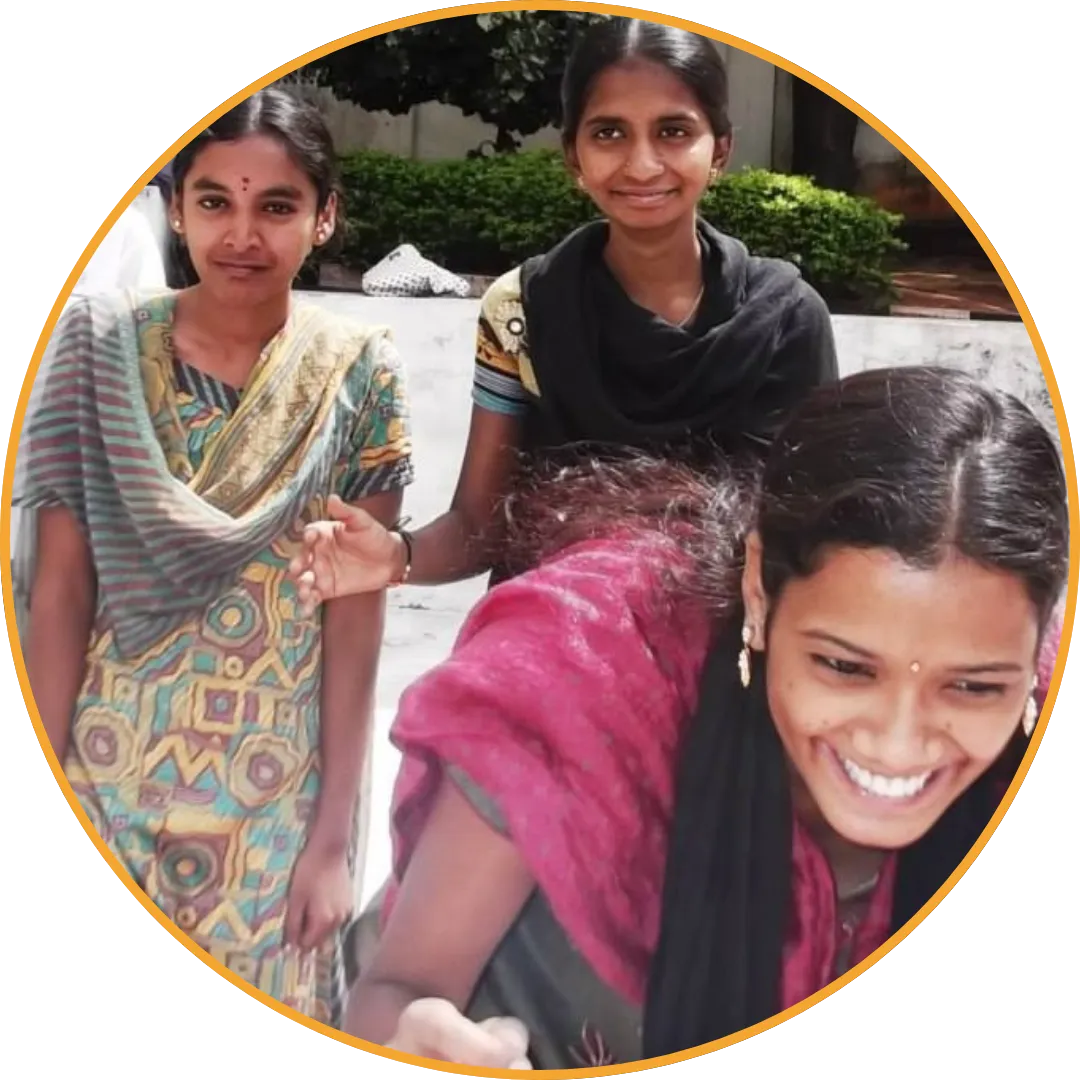
Play for Peace® India began its journey in 2000, in what was then the southern Indian state of Andhra Pradesh, the region that is today Telangana. From that first foothold, the programme grew steadily outward.
Over the years that followed, Play for Peace® worked with a wide range of local organisations, each offering a different set of experiences and responding to a different developmental need. Clubs took root in Delhi, Kolkata, Mumbai, Pune, Jaipur, Bangalore, Hyderabad, Jammu and Kashmir, and Jhansi. At its height, the India programme was the largest in the global Play for Peace® community, and requests for Play for Peace® in India have never stopped coming.
Today that legacy continues in a different shape. Two long-standing clubs: Karol Bagh in Delhi and the Hyderabad Club — remain active on the ground, while the widest reach now comes through partnership. Since September 2023, the Charkha Development Communication Network has carried Play for Peace® into some of the most remote communities in the country, from Himalayan villages in Uttarakhand to Kargil and Drass in Ladakh. Since 2025, Visthar has brought it into gender and well-being work in Karnataka, and a project with JRS is underway in Tamil Nadu.
The earlier clubs have not disappeared so much as handed something forward. Their facilitators, their methods, and their circles live on in the work that follows.
Clubs & Projects
ACTIVE
Karol Bagh YTH Peace Club
Delhi, India · Vijay Kumar · Partnership with Ideal Youth Health and Welfare Society
The Karol Bagh YTH Peace Club brings together 20–25 young people from marginalised Dalit and Muslim communities in Delhi.
Learn More
In this part of the city, around 80% of Dalit youth are school dropouts, engaged instead in daily wage work, manual scavenging, housekeeping, and sanitation.
The club meets daily to conduct Practice Peace Sessions, and over time it has grown into something far larger than a play circle. It now runs a library, career counselling services and workshops, a spoken English class, a digital learning and knowledge hub, training workshops on social and gender inclusion, and a community outreach programme.
The results speak plainly. The club has reconnected 1,000 students with education including young people who had been addicted to drugs, helped more than one hundred youth gain admission to universities, and organised more than 50 campaigns addressing rising liquor consumption in the community.
ACTIVE
Hyderabad Club
Telangana, India · Haseeb Jafferi & Diyanat Ali · Partnership with Great Hyderabad Adventure Club
Founded by the club’s mentor Diyanat Ali, the Hyderabad Club works in local communities, in schools, and through special outreach programmes designed to bring children, youth, and adults together across the lines that usually separate them.
Learn More
The club has worked consistently with a school called Vision Rainbow, where it has helped build a genuine community among parents, teachers, and children of many different backgrounds. It has also created a community-based Bookshelf Library, which uses storytelling, reading, and Play for Peace methodology with local children.
ACTIVE
ACTIVE
Charkha Development Communication Network
September 2023 · Uttarakhand, Bihar, Rajasthan, Ladakh & Jammu and Kashmir · Partnership with Charkha Development Communication Network
Focus: Community-led facilitation, gender, and participation in remote and underserved regions
Since September 2023, Charkha has carried Play for Peace to some of the farthest communities we reach anywhere in the world. Sessions now run in Bageshwar in Uttarakhand, Muzaffarpur and Sitamarhi in Bihar, Lunkaransar, Ajmer, Jaipur and Udaipur in Rajasthan, Leh, Drass and Kargil in Ladakh, and Poonch in Jammu and Kashmir.
Learn More
Many of these villages are hard to reach, long routes through difficult terrain, and in some places hours of walking. The sessions have continued anyway, with children, adolescents, young women, youth groups, and grassroots leaders.
What makes this partnership remarkable is who holds the space. These sessions are no longer facilitated only by Charkha’s team. Community leaders have taken the practices into their own villages and collectives, building local groups that use Play for Peace activities to create safer, more participatory spaces for adolescent girls, young women, children, and youth. Over four years, those collectives have reached more than 3,500 adolescent girls across five geographies.
One moment captures it. During a field visit to Guler village in Bageshwar, Uttarakhand a village with no road access, reachable only by an hour’s trek the Delhi team arrived to find the collective had already gathered and begun the session on their own. Local leaders were running the activities, building the group’s energy, and holding the space with confidence and care.
The creativity has been just as striking. Activities learned in workshops are not reproduced mechanically; they are reshaped to reflect local realities, languages, and environments. In Ladakh, the game we know as Fox and Squirrel became a version where the fox is a snow leopard and the squirrel a marmot, animals the children actually know and the movement of the game shifted with it. Small changes, but they signal ownership.
The work has not been without difficulty. Many of these regions carry layered social hierarchies and long-standing exclusions, and while workshops with adolescents and young women often open up quickly, community meetings with families and elders can surface existing tensions more visibly. That pushed Charkha to rethink how community spaces are held. Puppetry became one answer: in Bageshwar, Lunkaransar, and Muzaffarpur, adolescent girls learned puppetry and began using it for storytelling and community engagement. A story told through performance turns out to be a gentler doorway into a hard conversation.
ACTIVE
Play for Peace® × Visthar
May 2025 · Koppal, Karnataka, India · Agyatmitra Shunya & Swati Bhatt
Focus: Well-being, resilience, and compassion among youth and women in marginalised communities
In May 2025, Play for Peace® and Visthar began working together in Koppal, Karnataka, around a shared question: how do you build well-being, resilience, and compassion in marginalised communities through play?
Learn More
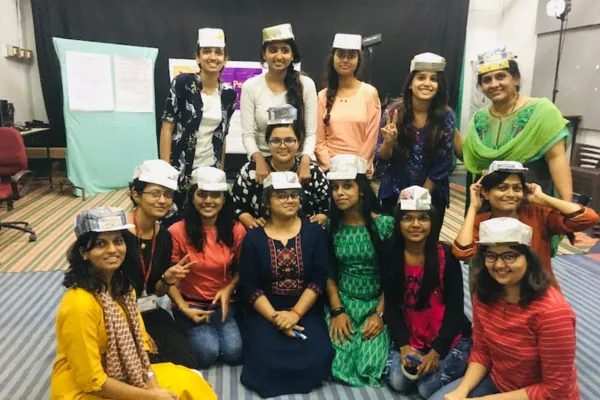
Certified trainers Agyatmitra Shunya and Swati Bhatt led a two-part training for 60 frontline staff and community facilitators, drawn from Visthar initiatives including Kanasu Kishori Sanghatane a collective of adolescent girls. Through cooperative games, reflection, and experiential learning, participants explored how play can open conversations about health, rights, and mental well-being, and how to build peer support in their own communities. Translators Nazar and Asha made sure every participant could take part fully in Kannada, Hindi, or English.
Most participants were women from marginalised communities, aged 22 to 35. By the end, they had learned not just how to lead cooperative games but how to process them, turning laughter into lessons in trust and cooperation.
Looking ahead, the partnership plans to embed Play for Peace methods across Visthar’s gender, youth, and peacebuilding programmes, develop Kannada-language content for the Kikori app, and launch its first pilot Play for Peace® Clubs within the Visthar network.
ACTIVE
ACTIVE
JRS Tamil Nadu Refugee Camp Project
Tamil Nadu, India · Agyatmitra Shunya & Swati Bhatt · Jesuit Refugee Service
Focus: Peace Education & Co-curricular that focuses
no text provided
Learn More
Certified trainers Agyatmitra Shunya and Swati Bhatt led a two-part training for 60 frontline staff and community facilitators, drawn from Visthar initiatives including Kanasu Kishori Sanghatane a collective of adolescent girls. Through cooperative games, reflection, and experiential learning, participants explored how play can open conversations about health, rights, and mental well-being, and how to build peer support in their own communities. Translators Nazar and Asha made sure every participant could take part fully in Kannada, Hindi, or English.
Most participants were women from marginalised communities, aged 22 to 35. By the end, they had learned not just how to lead cooperative games but how to process them, turning laughter into lessons in trust and cooperation.
Looking ahead, the partnership plans to embed Play for Peace methods across Visthar’s gender, youth, and peacebuilding programmes, develop Kannada-language content for the Kikori app, and launch its first pilot Play for Peace® Clubs within the Visthar network.
Retired Clubs & Projects
Freedom Education Equity Leadership (FEEL) Club
Location: Patel Nagar, New Delhi, India
Mentor: Neelam Jajoriya
The FEEL Club focused on working with children from marginalised communities, supporting them with a safe space to come together and study, alongside coaching classes to strengthen their schoolwork.
Jagran Club
Location: Taltala, Kolkata, India
Mentor: Sahil Balmiki
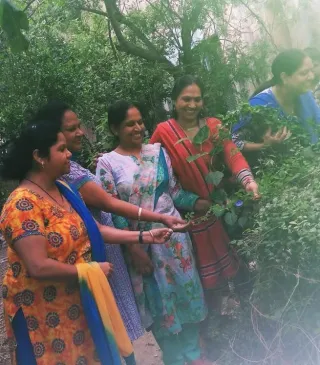
Founded in 2013, the Jagran Club worked to improve lives in Kolkata through Practice Peace Sessions and social awareness campaigns. The treatment of women was a central concern, and much of the club’s work focused on promoting inclusion and equal opportunities for girls. Seven members met two to three times a week and on Sundays, bringing together children from different backgrounds and religions for play sessions built around cooperation, inclusion, and fun. The group also worked with local NGOs and organised street plays on issues affecting the community.
Disciples for Peace Club
Location: Kolkata, West Bengal, India
Mentor: Arzoo Shakir & Shahreen
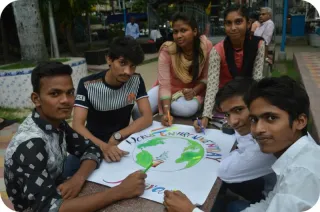
After receiving Play for Peace® training in 2016, the Disciples for Peace Club formed to work with communities in Kolkata facing serious pressures on children and youth, including unemployment and a lack of support for young people living with depression. The club conducted regular Practice Peace Sessions across different Kolkata communities and organised youth awareness programmes using Play for Peace® tools such as cooperative activities, puppet storytelling, and street play.
Pink City Jaipur Club
Location: Jaipur, Rajasthan, India
Mentor: Pawan Kumar
Partner: World Vision, Jaipur
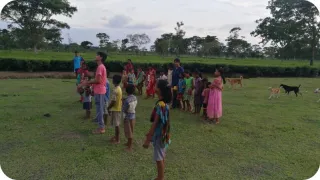
The Pink City Play for Peace® Club worked with public school and community children and youth in Jaipur, organising events and weekly Practice Peace Sessions. Run by members of the World Vision Area Development project, the club worked to build self-esteem, confidence, and faith in life among the children it served.
Khula Aasman Club
Location: Mankhurd, Mumbai, India
Mentor: Ragini Amol
Partner: Khula Aasman
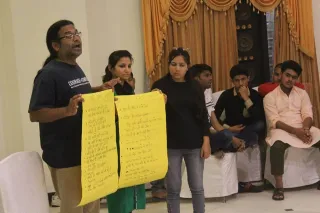
Supported by Khula Aasman, a Mumbai-based nonprofit, this club worked at the meeting point of art and social change — a relatively unexplored idea with real potential for nurturing positive mental health and bringing different groups of people together. A group of volunteers worked with vulnerable children and communities using cooperative play and the arts: clay, paint, stories, poems, dance, music, yoga, and creative visualisation, woven through weekly Practice Peace Sessions.
Mumbai Club
Location: Mumbai, Maharashtra, India
Mentor: Archana Magar & Neelu Grover
Partner: Viscomm 360 Communications
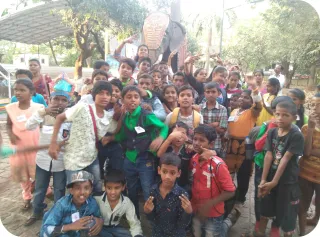
The Play for Peace® Mumbai Club was a group of volunteers working with vulnerable children and communities through play and the arts, aiming to build relationships among people whose communities carried a history of cross-cultural tension. An open space where everyone could experience the joy of play, the club held weekly Practice Peace Sessions using cooperative play alongside clay, paint, paper, waste, stories, poems, dance, music, yoga, and creative visualisation.
Khel se Mel Club
Location: Pune, Maharashtra, India
Mentor: Kailas Kamble
Partner: World Vision
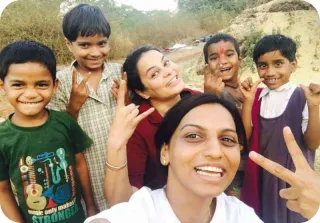
In partnership with World Vision India, the Khel se Mel Club conducted Practice Peace Sessions with children and youth in Pune and in public schools, giving socially excluded children the opportunity to build self-esteem, experience inclusion, and learn cooperation through play.
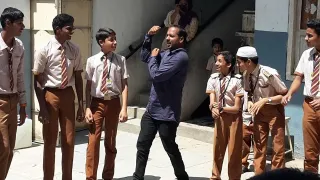
FSL India Club
Location: Bangalore, Karnataka, India
Mentor: Rakesh Kumar
Partner: FSL-India
FSL-India is a leading youth development organisation focused on intercultural learning through voluntary service, working to promote global understanding by providing youth volunteer and intercultural learning opportunities across different cultural contexts. Annually, FSL-India mobilises 1,500 and more young people from across the globe with the support of international partners and local NGOs.
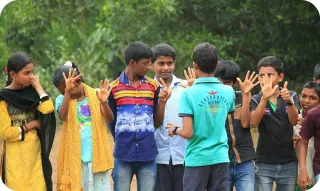
Peace Game Club
Location: Bangalore, Karnataka, India
Mentor: Farheen Anwer
The Peace Game Club was located in one of the weakest economic sections of Bangalore, where many families are labourers stitching jeans and other clothing in small shops and at home. Made up of girls who joined peace sessions after finishing domestic chores, the club met monthly for cooperative play sessions where the girls could share their experiences and support one another.
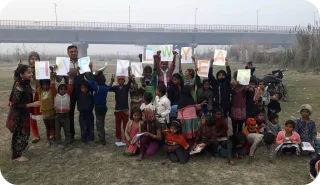
Kashmir Club
Location: Jammu and Kashmir, India
Mentor: Mushtaq
Partner: ActionAid India
Supported by ActionAid a global movement of people working together to further human rights and defeat poverty for all, the Kashmir Club brought together a large network of youth volunteers working with children on the ground. Club members conducted Practice Peace Sessions in schools each week, and local children looked forward to learning through play and enjoying the activities the club ran.
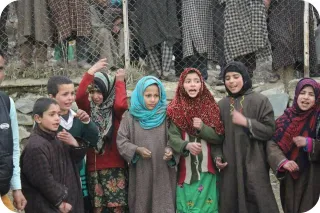
Ekta ki Nayi Umang Club
Location: Jhansi, Uttar Pradesh, India
Mentor: Aarti Raikar
Aarti Raikar, mentor and founder of the Ekta ki Nayi Umang Club, began her work with Play for Peace® as a volunteer and club member of the Karol Bagh Club in Delhi. After moving with her husband to Jhansi in Uttar Pradesh in 2017, she wanted to continue bringing laughter, compassion, and peace to children in her community. In 2018 she began conducting play sessions and coaching classes for local children. After a positive response from parents, she created the Ekta ki Nayi Umang Club — meaning the spirit of unity — and continued leading sessions with children in her community.
Explore More Stories
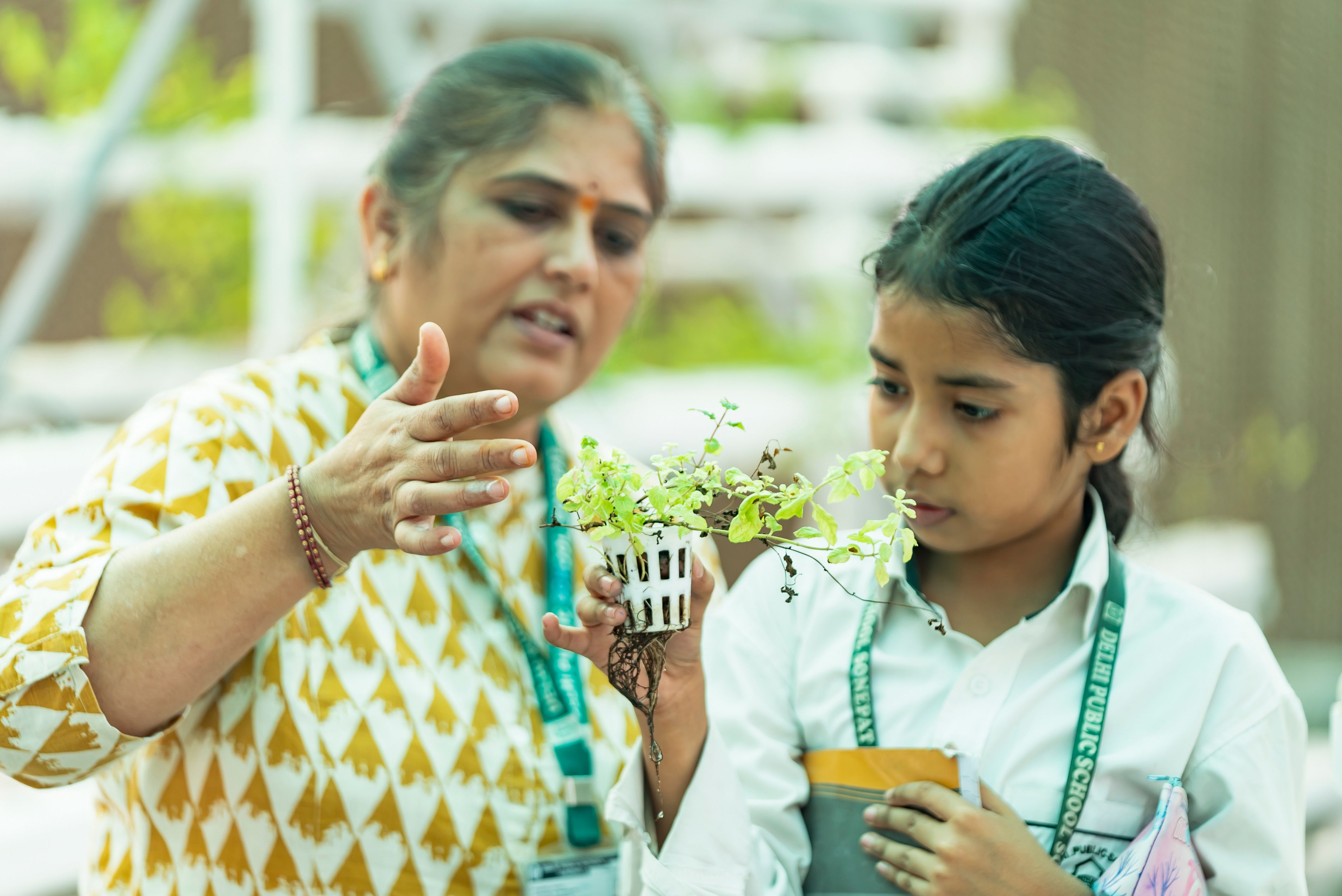
When Teachers Become Peacebuilders in Nagpur, India
Sixty school teachers in Nagpur, India explored cooperative play through the lens of core values and life skills, then committed to a two-month action plan to carry the work forward. ...more
India ,Peace Trainings &Stories and Reflections
August 06, 2026•3 min read
When Theatre, Play, and Peace Found the Same Language
At Applied Theatre School's 20th anniversary in India, a Play for Peace® workshop brought together artists, educators, and peace-builders. ...more
India ,Event Highlights &Stories and Reflections
August 06, 2026•4 min read
How Play Became a Gateway to Healing Sanashi Shantigi.
In conflict-affected Manipur, India, 30 young people discovered through play that peace isn't something you teach first. It's something you live first. ...more
India ,Global news &Peace Trainings
April 16, 2026•6 min read
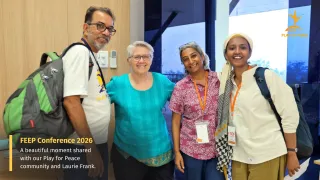
Play for Peace joined the FEEP Conference in India — a space of resistance, experiential wisdom, and deep community across cultures and borders.
Play for Peace joined the FEEP Conference in India — a space of resistance, experiential wisdom, and deep community across cultures and borders. ...more
India ,workshops Global news Peace Trainings &Stories and Reflections
February 25, 2026•7 min read
Voices From The Field
“One of the most meaningful outcomes we have achieved through Play for Peace is making difficult and heavy topics like gender, discrimination, and intersectionality accessible and approachable for participants. Conversations that once felt daunting now flow naturally, creating space for honest dialogue.”
— Charkha Development Communication Network
Want to support more work in the India?
Want To Connect With Us?
We’d love to hear from you and explore how we can make a difference together.


Play for Peace® is a registered trademark (EIN: 36-4254565). Copyright 2026. Play for Peace. All Rights Reserved.