When Hip Hop Met Play for Peace in Barcelona
Chaun PridGeon stood in front of a room full of hip hop educators, university professors, and youth workers from across Europe. He wasn't there to perform. He was there to play.
Within minutes, people who had spent three days talking about peace through panels and presentations were laughing, moving, and reaching across language barriers in ways that surprised even themselves.
Two Movements, One Room
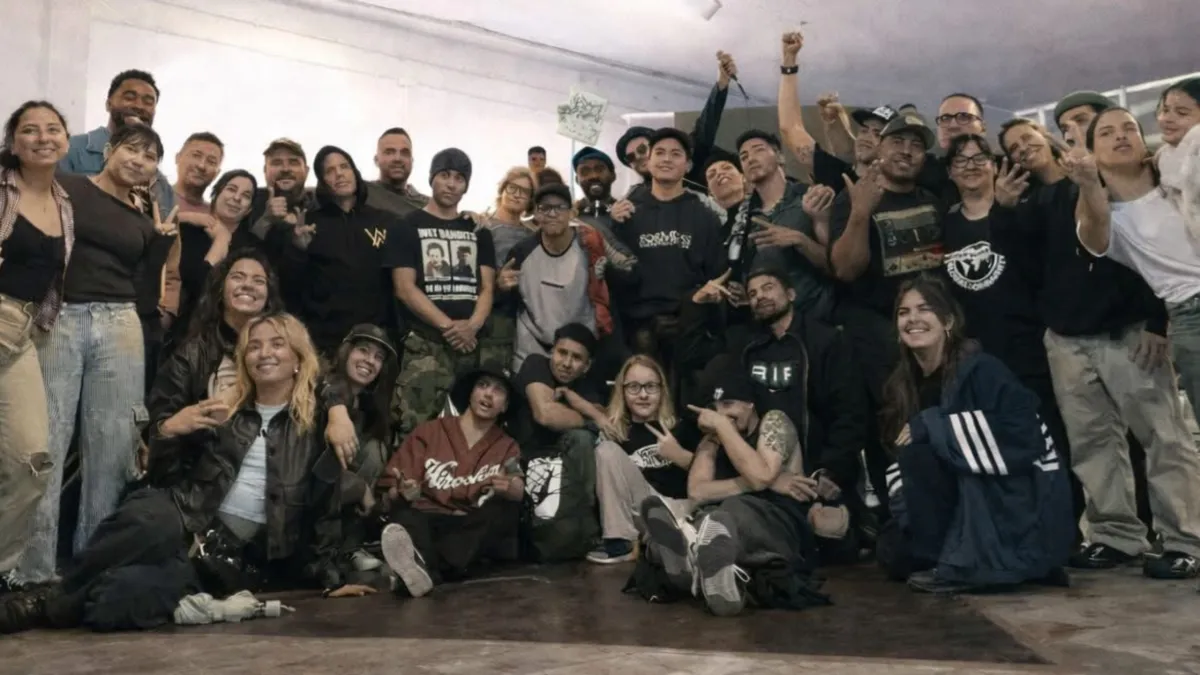
The 1st Hip Hop Works International Meeting brought together presenters and practitioners from Chicago, the Dominican Republic, the UK, Cádiz, and Madrid for a multi-day gathering in Barcelona. Hip Hop Works is a global nonprofit that uses music, dance, and art to connect young people across divides. Chaun, a Play for Peace® Certified Trainer and doctoral candidate in clinical psychology, had been invited to present cooperative play as a tool for building peace.
It was the first time these two movements had shared a room. It would not be the last.
What Happened When the Games Began
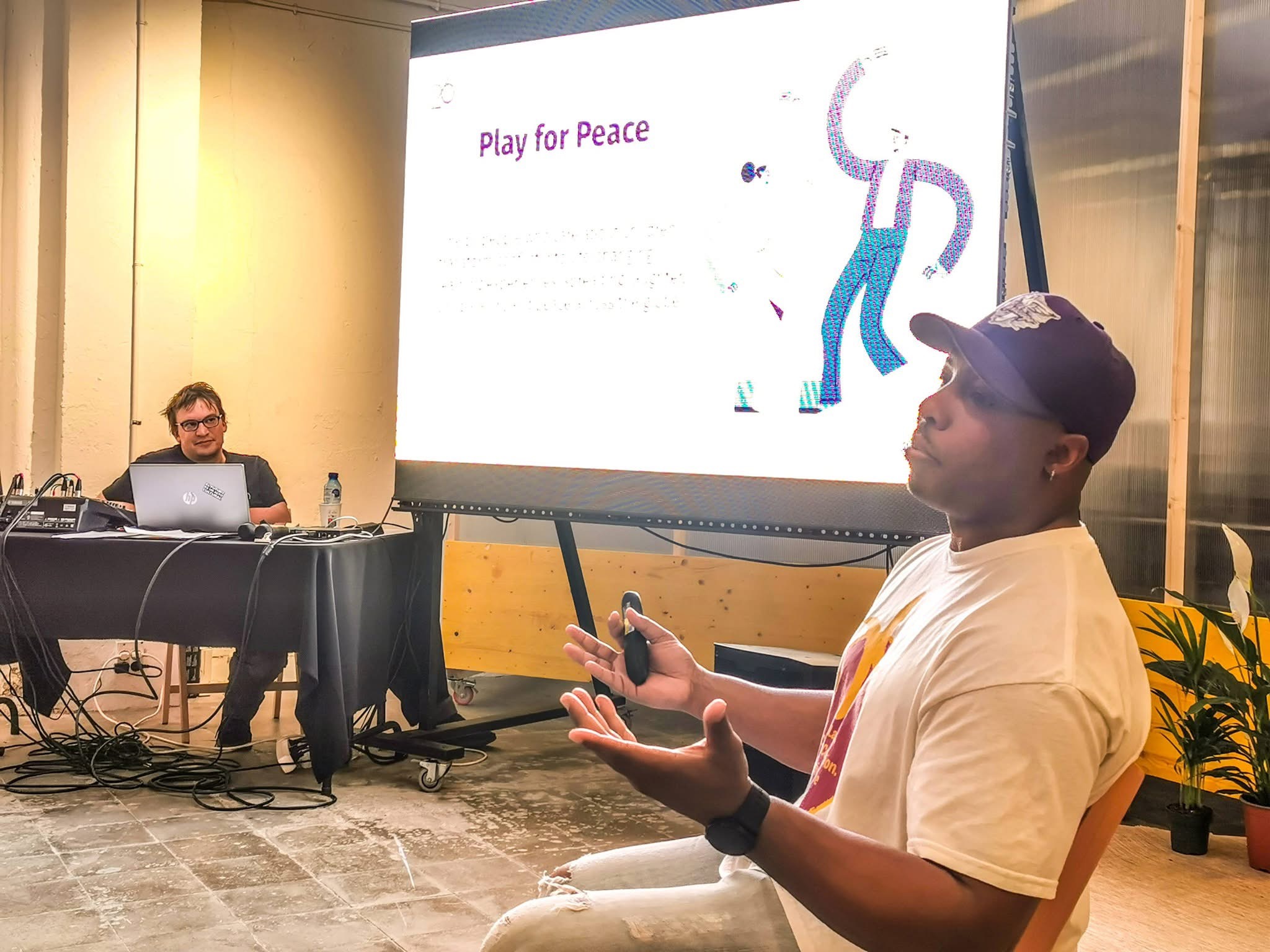
Chaun led the group through Play for Peace® activities, the kind that look deceptively simple until you feel what they do to a room. People leaned in. Laughter broke out. Bodies moved toward each other instead of staying in their seats.
"So simple, but so good," one participant said.
The response went deeper than enjoyment. Professors from Spanish universities recognized the neuroscience underneath the games: what cooperative play does to a nervous system, and why that matters for young people living in high-tension environments. Youth workers from Madrid, Pamplona, and France saw something they could bring home. In their communities, tensions around immigration, bullying, and racism run high. They had spent years looking for tools that could reach young people where lectures couldn't.
They found one in Barcelona.
The Same Heart, a Different Door
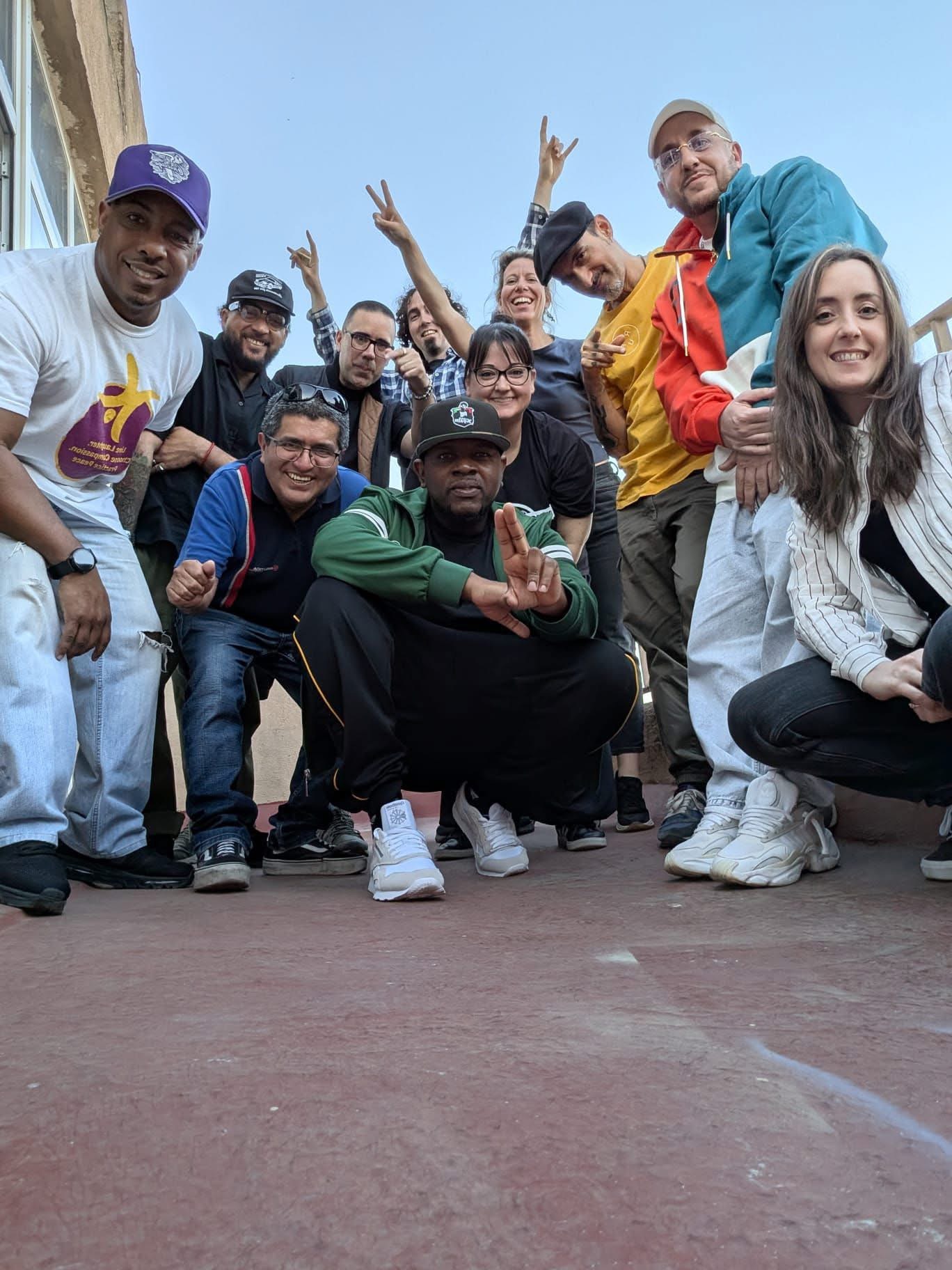
Part of the gathering took place at the Catalonia Centre for Peace, a fitting backdrop for what was unfolding in the room.
Hip hop culture has always been about turning struggle into creativity, about building community where systems have fallen short. Play for Peace® does the same thing through a different door: cooperative games, shared laughter, circles where every person belongs. Different methods. The same conviction that human connection is both the goal and the path.
Educators who had spent years using hip hop to reach young people saw it immediately. These were not two separate approaches competing for the same space. They were two approaches that had been moving toward each other without knowing it.
What Comes Next
The connection between Play for Peace® and the Hip Hop Works community did not end in Barcelona. Raquel, the organizer who first met Chaun in Chicago back in 2009, is already working to bring Play for Peace® representatives back to Europe for a larger demonstration. Interest is growing across multiple cities in Spain and beyond.
Two movements found each other in a room in Barcelona. What happens next could reach far beyond it.
Inspired by this story? Explore more from our global community at playforpeace.org/stories — or support this work with a gift at playforpeace.org/donate.