
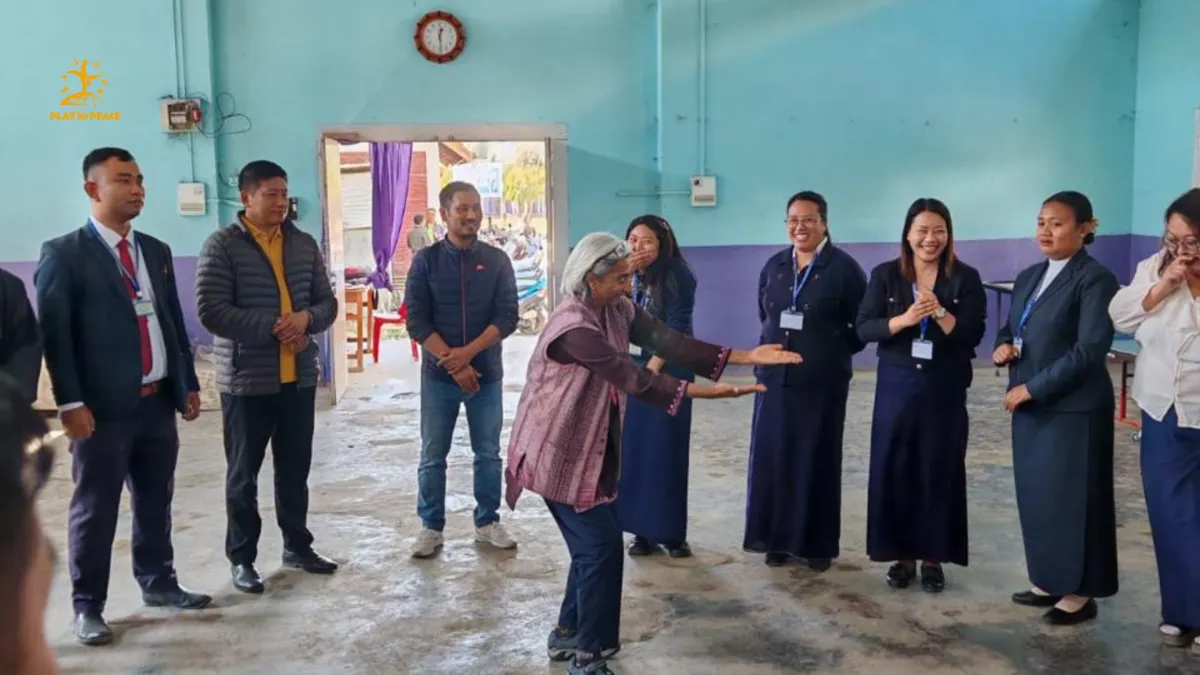
How Play Became a Gateway to Healing Sanashi Shantigi.
In a state still recovering from devastating conflict, 30 young people discovered that peace isn't something you teach first. It's something you must live first.
Some places carry their wounds quietly.
Manipur, nestled in India's northeast on the border with Myanmar, is one of them. Richly diverse in ethnicity, language, and faith, it is also a state that has known profound pain. In 2023, long-simmering tensions erupted into some of the worst communal violence the region had seen in decades. More than 250 lives were lost. Over 60,000 people were displaced. Temples and churches alike were destroyed. An entire generation of young people came of age watching their state tear itself apart.
Into that fractured landscape, in February 2026, Play for Peace arrived with activities, open circles, and a quiet but radical invitation: to experience what peace feels like before being asked to practice it.
A Friendship Two Decades in the Making
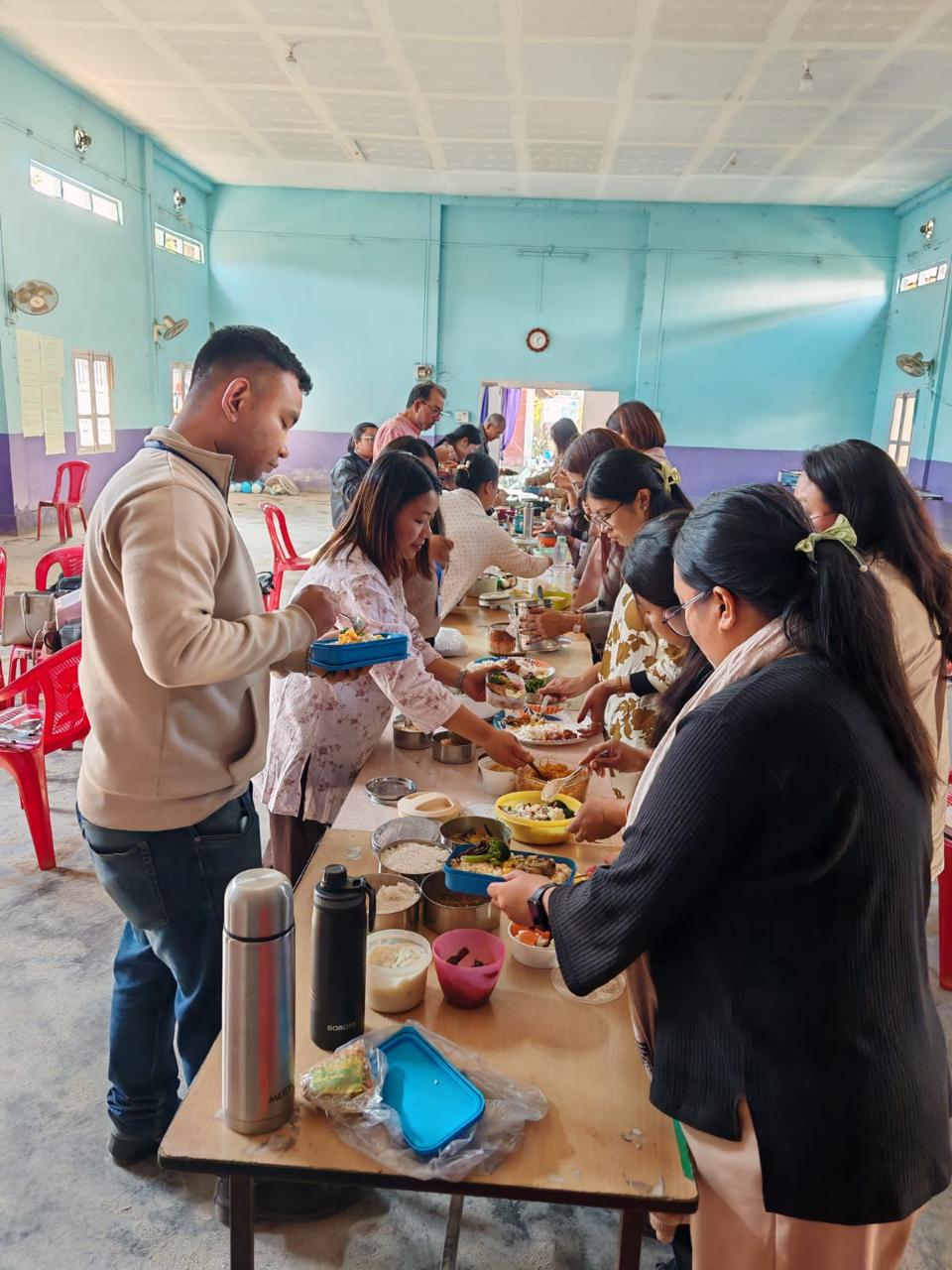
This workshop did not happen by chance.
It grew out of a relationship dating back to 2002, when Play for Peace first connected with Deben Bachaspatimayum, a peacebuilding practitioner and community facilitator based in Imphal. Deben has spent more than two decades building local capacity, facilitating dialogue between conflicting communities, and promoting peace education and women's participation in peacebuilding across Manipur. He serves as the key convener of the Interfaith Forum Manipur (IFM), a coalition of diverse religious organizations committed to promoting peace, reconciliation, and relief across the state.
In 2002, Play for Peace and Deben worked together to develop a peace education toolkit for practitioners across South Asia. That shared history made this return to Manipur all the more meaningful.
After the 2023 violence, Deben did not retreat. He built. Under the Interfaith Forum Manipur, he launched a Youth Peacebuilding Fellowship with an ambitious vision: nurturing 100 youth peacebuilders over the next three years, drawn from across Manipur's ethnic and religious divides.
The fellowship's first batch needed more than theory. They needed to feel what peacebuilding looks like in practice. That is precisely what Play for Peace was asked to deliver.
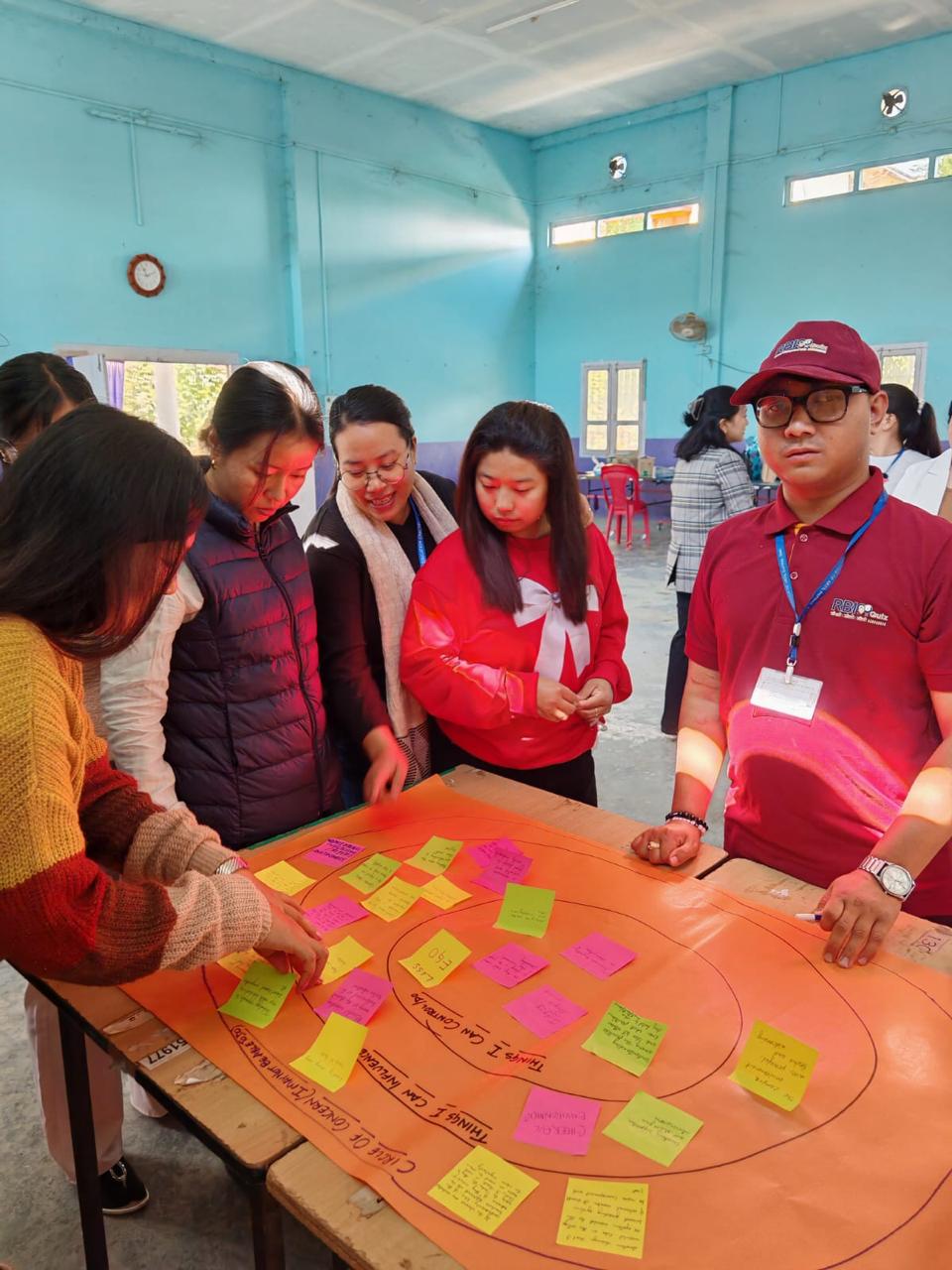
Three Days in Imphal: What Happened at Jubilee Hall
From 17 to 19 February 2026, certified Play for Peace trainers Swati and Agyat traveled to Imphal to facilitate a three-day workshop titled "Life Skills and Value Education for Peace in Formal and Non-Formal Settings."
Thirty participants gathered at Jubilee Hall, DM College of Teacher Education (DMCTE), on the DM University campus. The group was a meaningful mix: youth peacebuilding fellows from the Interfaith Forum Manipur and Master of Education students from DMCTE, people from different communities, different faiths, and different vantage points on what healing in Manipur could look like.
Swati and Agyat brought their signature approach: purposeful games and experiential activities designed to put the principles of peacebuilding into the body, not just the mind. No punishments. No judgment. No competition. Just play, carefully crafted to build trust, safety, and connection across differences.
The impact was immediate.
What the Participants Said
Victor, a fellow from the Manipur Baptist Convention, noticed something early in the first session. Introverts who might otherwise have stayed on the margins were opening up, because the games were built on mutual support rather than competition.
"Everyone is treated equally; no one is treated as a second-class citizen. After all, it was fun."
In a state as ethnically and religiously diverse as Manipur, that experience of genuine inclusion was not a small thing. It was everything.
Alina, a student from DMU Arts, articulated something even deeper:
"I realized how safety is not only physical but also intellectual, emotional, and social. Feeling heard, respected, and accepted matters just as much as feeling protected."
Her understanding of teamwork shifted entirely, from seeing cooperation as mere adjustment to experiencing it as genuine growth.
The M.Ed. trainees, represented in their collective reflection by Malemnganbi, arrived expecting new pedagogical frameworks. What they found was a mirror:
"We came into this hall expecting to learn new pedagogical theories; however, what we experienced was a profound and meaningful personal transformation."
They left with a new conviction: peace is not something you teach first. It is something you must live first.
What Play Teaches That Lectures Cannot
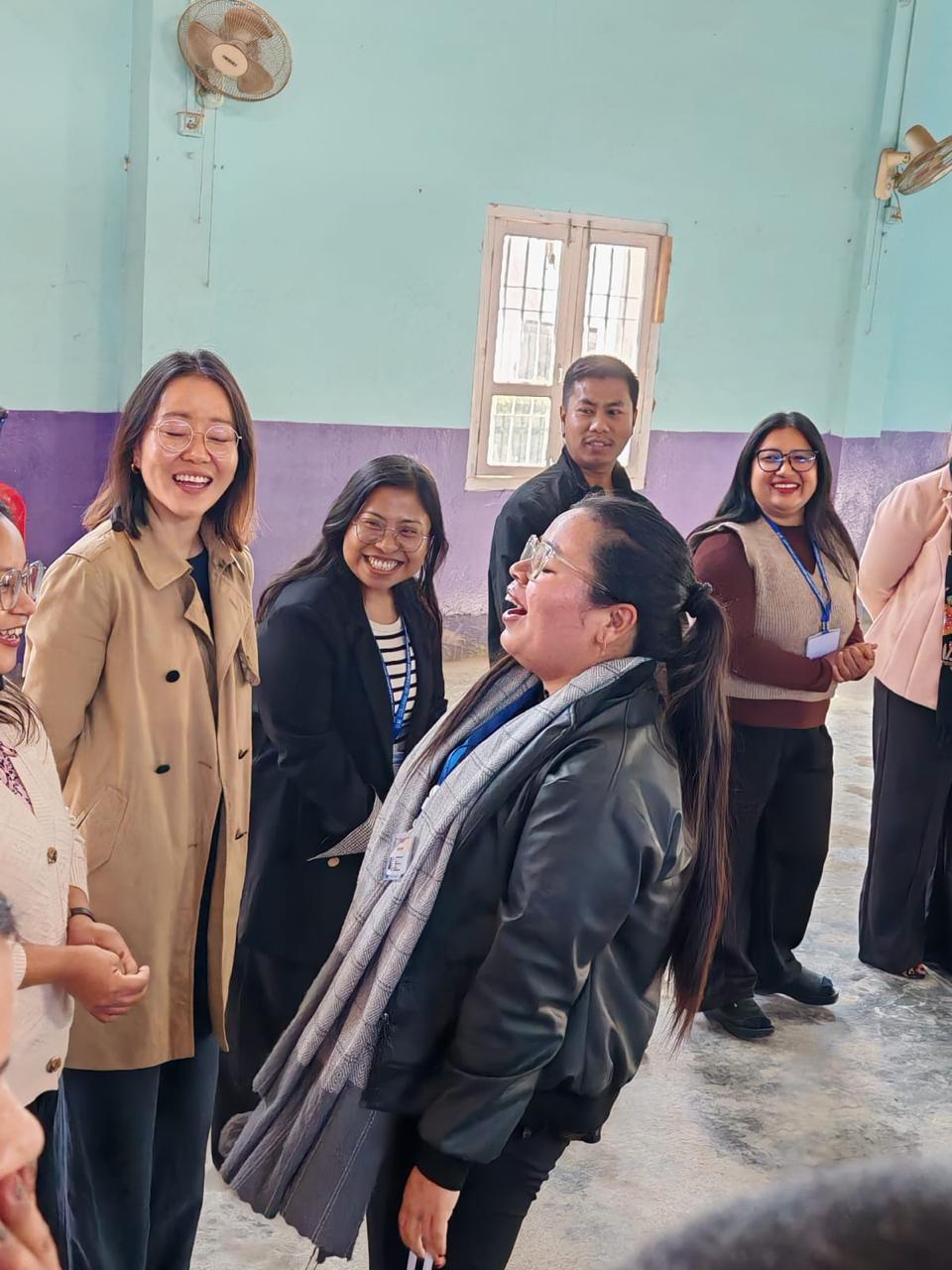
Across all 30 participants, four themes came through clearly and consistently.
Inclusion in action. In a region where community boundaries have been hardened by conflict, seeing every single person included, valued, and heard was quietly revolutionary. Nobody was left on the sidelines.
Safety as a foundation. Swati and Agyat created a learning environment free from the fear of judgment. For many participants, it was the first time they had experienced a space where vulnerability was welcomed rather than penalized.
Joy as pedagogy. Experiential learning that is joyful doesn't stay in notebooks. As participants described it, it becomes "a lifelong retention in the mind." When the body remembers something, the lesson lasts.
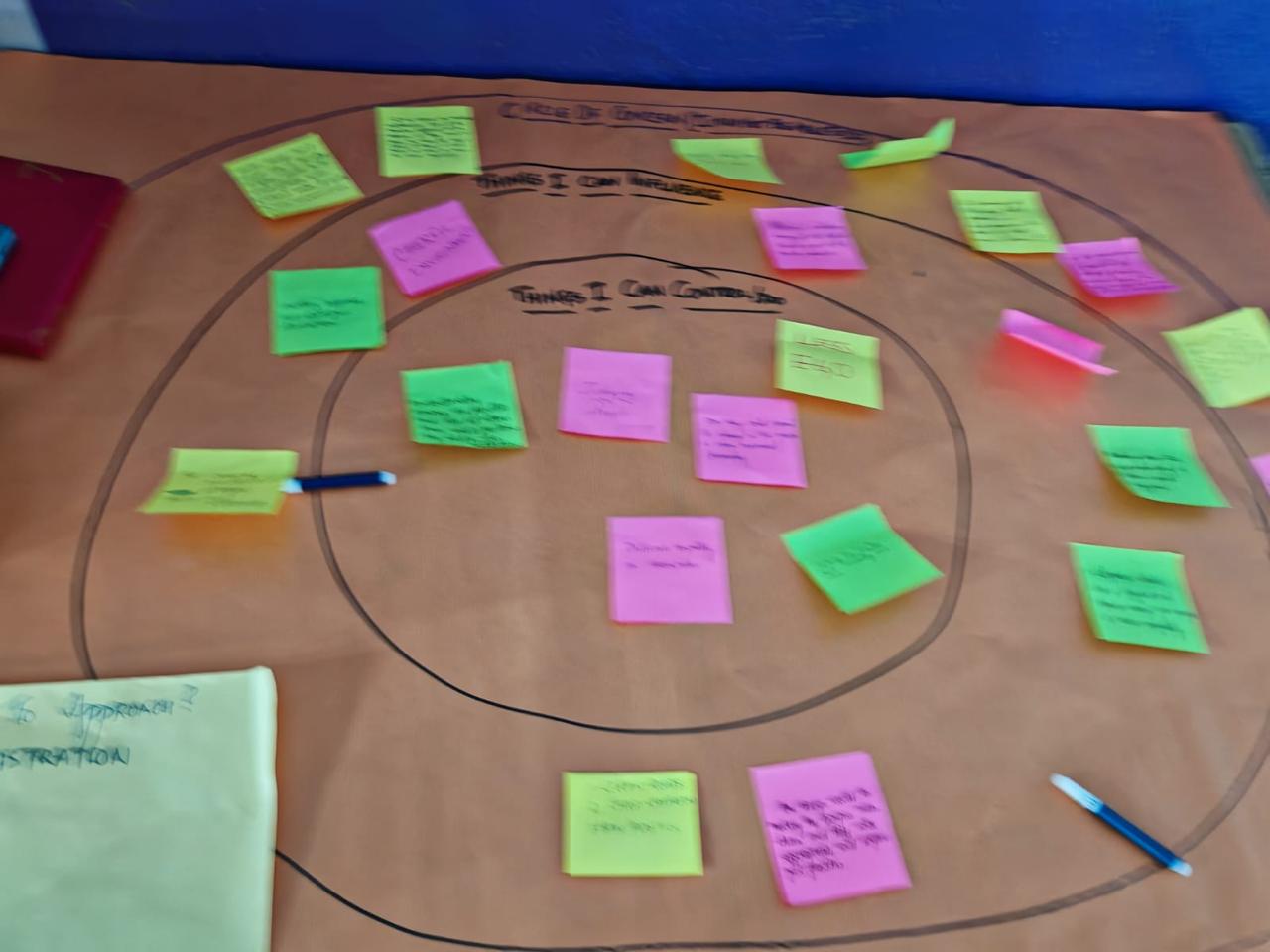
Inner work before outer work. Before managing a classroom, a community, or a conflict, one must first understand one's own thoughts, emotions, and reactions. The workshop gently redirected participants inward, planting the seeds of peaceful leadership where it begins: in the self.
Seeds Planted, Roots Already Growing
The participants did not leave Jubilee Hall unchanged. They left with commitments: to practice active listening at home, to create safe spaces in their future classrooms, to integrate Play for Peace activities in local schools, and to sustain networks that keep peacebuilding alive long after the workshop ends.
Victor captured the spirit of those commitments simply:
"By integrating these lessons into everyday life, individuals can promote a culture of peace and cooperation, ultimately leading to a more compassionate and connected community."
And Alina's closing words to Swati and Agyat may have been the most tender of all:
"Thank you for creating a space where learning felt safe, joy felt natural, and every person felt seen."
"Sanashi Shantigi": Play for Peace
Deben's vision of 100 youth peacebuilders is not a distant dream. It is already becoming real, one fellow at a time. And Play for Peace is honored to be part of that journey, reconnecting after more than two decades with a colleague who has spent his life stitching peace into the fabric of a wounded community.
In Manipuri, the word for "play" is Sanashi. The word for peace is Shantigi. The participants of this workshop gave us perhaps the most fitting summary of what those three days meant:
Sanashi Shantigi. Play for Peace.
Support This Work
What happened in Imphal over three days was made possible by a network of people who believe that play is not a luxury for children in conflict zones. It is a lifeline.
🌍 Support Play for Peace Your contribution helps bring workshops like this to communities healing from conflict across 22 countries.
Want to Go Deeper?
The 3-Day Workshop on Life Skills and Value Education for Peace was organized by the Interfaith Forum Manipur in collaboration with Play for Peace International and DM College of Teacher Education, held on 17 to 19 February 2026 at Jubilee Hall, DMCTE, DM University Campus, Imphal, Manipur.
Play for Peace is a US-based 501(c)(3) nonprofit. EIN: 36-4254565. Donate securely