When Teachers Become Peacebuilders in Nagpur, India
They had played the games before. Most of them knew the rules, the rhythms, the laughter that follows. What they had not done was stop and ask: what is this game actually teaching?
That question changed everything about the two days that followed.
Sixty Teachers, One Room, and a Different Kind of Learning
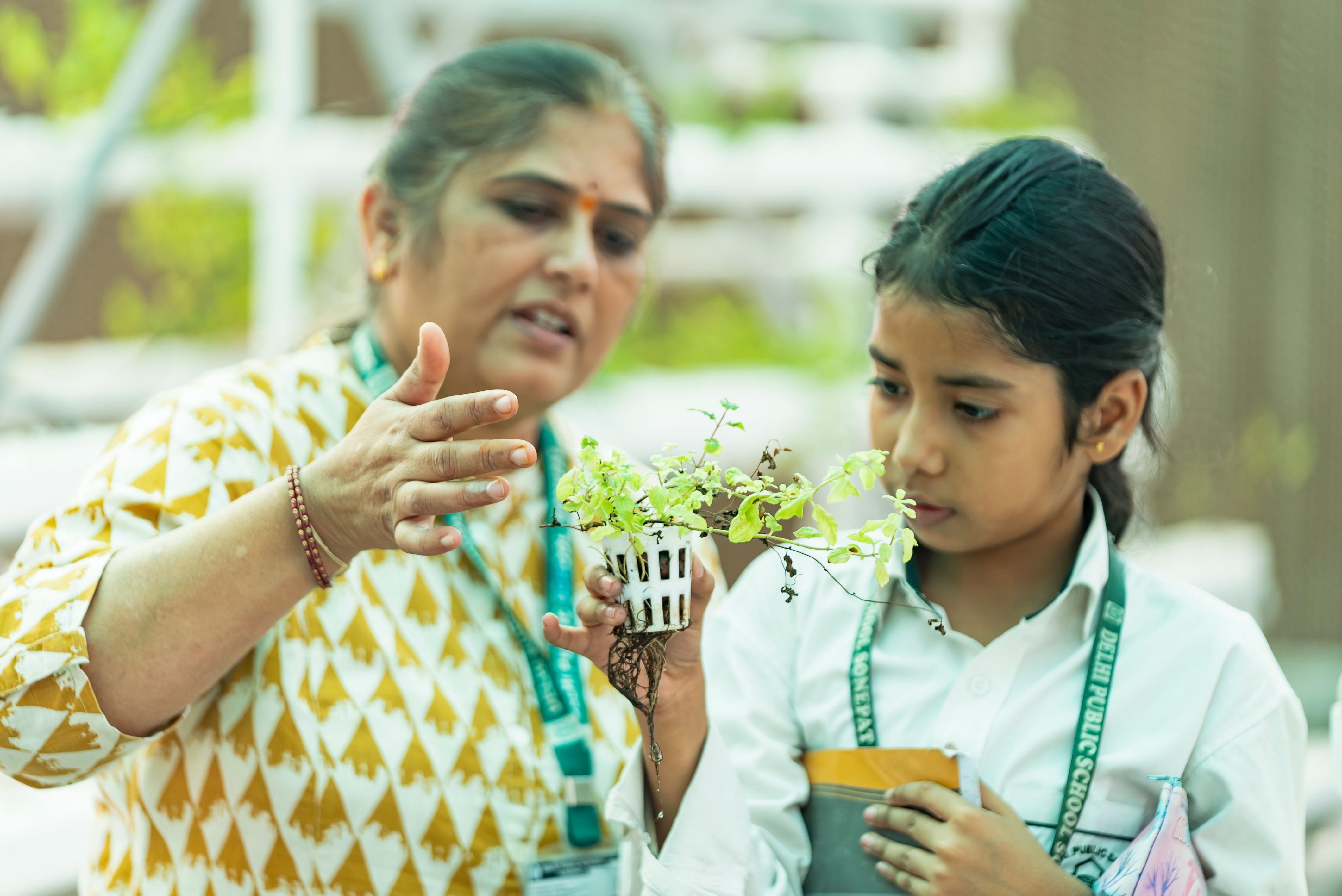
In Nagpur, Maharashtra, India, sixty teachers from School of Scholars gathered for a two-day Play for Peace® workshop facilitated by Neelam, Ankit, and myself. Fifty-nine of the participants were women. Every one of them came in as an experienced educator. Most had encountered cooperative games before.
What they had not explored was the layer underneath: how a game connects to a core value, how a moment of play can become a mirror for a life skill, how laughter in a circle can open a conversation about teamwork, empathy, or respect that a lesson plan rarely reaches.
That is what two days together made possible.
Familiar Games, Seen for the First Time
Session after session, something shifted in the room. Teachers who had played these games with their own students began to see them differently. Not just as icebreakers or energizers, but as intentional tools. A game about coordination becomes a conversation about trust. A game about inclusion becomes a moment to examine who gets left out, and why, and what that costs a classroom.
The participants stayed highly enthusiastic across both days, not in a polite or passive way, but with the kind of active engagement that tells a facilitator the material is landing. They asked questions. They pushed back. They made connections between the games and the real dynamics they navigate every day in their schools.
That is what happens when experienced educators stop being students of content and start being students of their own practice.
A Two-Month Plan and a Promise to Keep Going
At the close of the workshop, the group did not simply receive certificates and leave. They left with a two-month action plan.
Each teacher committed to conducting Play for Peace® sessions with different groups in their own communities and institutions: bringing the games, the values conversations, and the life skills framework into the spaces they already inhabit every day. Sixty teachers, each one now a potential ripple point for peacebuilding, teamwork, and meaningful learning across Nagpur and beyond.
The workshop ended. The work is just beginning.
What Transfers When Teachers Play
There is something particular about working with educators. They arrive already knowing how to hold a room. What cooperative play offers them is not a new skill set but a new lens, a way of seeing what is already happening between people when they play together, and understanding how to make it intentional.
Fifty-nine women educators in Nagpur left that room with that lens. Their students will feel it before the month is out.
That is how Play for Peace® grows: not only through the children in the circle, but through the adults who carry the practice forward, school by school, community by community, one game at a time.
Inspired by this story? Explore more from our global community at playforpeace.org/stories — or support this work with a gift at playforpeace.org/donate.