
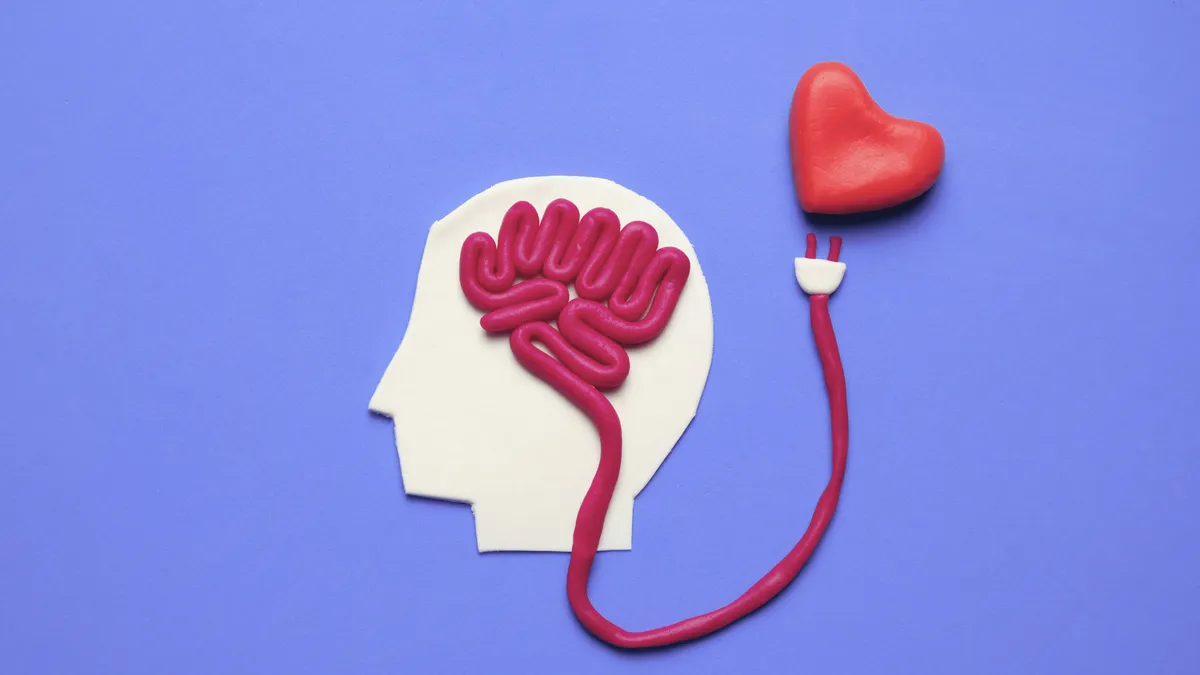
What Your Brain Loves: Dr. Bruce Dobkin on Learning by Doing
“Are soft pretzels really healthy?”
That is the question Bruce Dobkin invites the room to throw at him, right after promising to share what he tells his patients that actually works, and what is plain nonsense.
Play for Peace® is rooted in the science of how people learn and connect. So when a talk like this lands in our community, we pay attention. Here is a taste of what he covers, and why it is worth the watch.
What the Brain Loves
Bruce starts with the good news. The brain loves exercise, both the strengthening kind and the aerobic kind. He suggests three or four days a week, at least half an hour, and says slower walking is fine too.
It also loves to learn. Novelty, new information, social connection, and the chance to bring sight, sound, and conversation together all keep the brain working as it was designed to.
“Gaining skills through experience draws on exactly what the brain is designed to do.”
That is why he loves experiential education. It is also why cooperative play works.
What to Skip
Then comes the part that made us smile. Bruce takes aim at the billions spent on pills, drinks, and supplements that promise a sharper memory. He explains why most of them cannot do what they claim, and he tells a surprising story about jellyfish that you will want to hear in his own words.
His rule of thumb for spotting trouble is short and memorable. We will leave it for the video.
Practice That Actually Counts
Doing the same thing over and over is not the answer, he says. Real practice means learning something new, thinking about what you are doing, and using all your senses.
He also shares a simple trick for remembering names, and yes, it involves a soft pretzel. He closes with what to protect your brain from, including what he calls the most common and most damaging thing we can do.
Press Play
Whether you work with children, lead a team, or simply want a healthier brain, this talk is clear, funny, and full of practical takeaways. Watch the full video above, then tell us what stayed with you.
This post summarizes one speaker’s talk and is not medical advice.
Inspired by this story? Explore more from our global community at playforpeace.org/stories — or support this work with a gift at playforpeace.org/donate.